

Waking up with unexplained, itchy red welts or noticing tiny, mysterious spots on your bed linen can quickly turn a restful night’s sleep into an ongoing nightmare. Bed bugs (Cimex lectularius) are among the most persistent, stressful domestic pests to deal with. Contrary to popular belief, bed bugs do not discriminate based on cleanliness—they hitchhike on luggage, second-hand furniture, clothing, and bedding, readily establishing colonies in pristine family homes, boutique apartments, and luxury hotels alike.
Because bed bugs are nocturnal, elusive, and adept at squeezing into paper-thin cracks, an infestation often establishes itself long before you catch a glimpse of a live insect.
Knowing the early warning signs, understanding what to look for, and learning where to inspect is crucial for catching an infestation before it spreads throughout your home.
Physical Bite Patterns and Skin Reactions
For many homeowners, physical symptoms on their skin are the first clue that unwanted visitors are sharing their mattress:
- Linear or Clustered Welts: Unlike mosquito or flea bites that appear randomly, bed bug bites frequently appear in straight lines, tight clusters, or zig-zag patterns. This is commonly referred to in pest control as the “breakfast, lunch, and dinner” pattern.
- Common Bite Zones: Bed bugs feed on exposed skin while you sleep. The most common bite locations include the neck, face, arms, shoulders, hands, and legs.
- Delayed Reaction: Bed bug saliva contains a natural anaesthetic and anticoagulant, meaning you will not feel the bite when it happens. Reactions typically develop into raised, red, itchy welts over 24 to 72 hours, though some individuals experience little to no visible skin reaction at all.
Tell-Tale Evidence on Bedding and Mattresses
Because bed bugs hide during daylight hours, identifying physical evidence left behind on fabrics is often more reliable than spotting live insects:
- Dark Rusty or Faecal Spots: As bed bugs digest their blood meals, they leave behind tiny, dark brown or black droppings. These resemble pinpoint dots made by a fine-tip permanent marker and typically appear along mattress seams, pillow slips, and bed sheets. When dabbed with a damp tissue, fresh bed bug faecal spots smear into a reddish-brown tone.
- Blood Stains on Linen: Tiny smears of dried blood on your sheets, quilt covers, or pyjamas often occur when you inadvertently roll over and crush an engorged bed bug during the night.
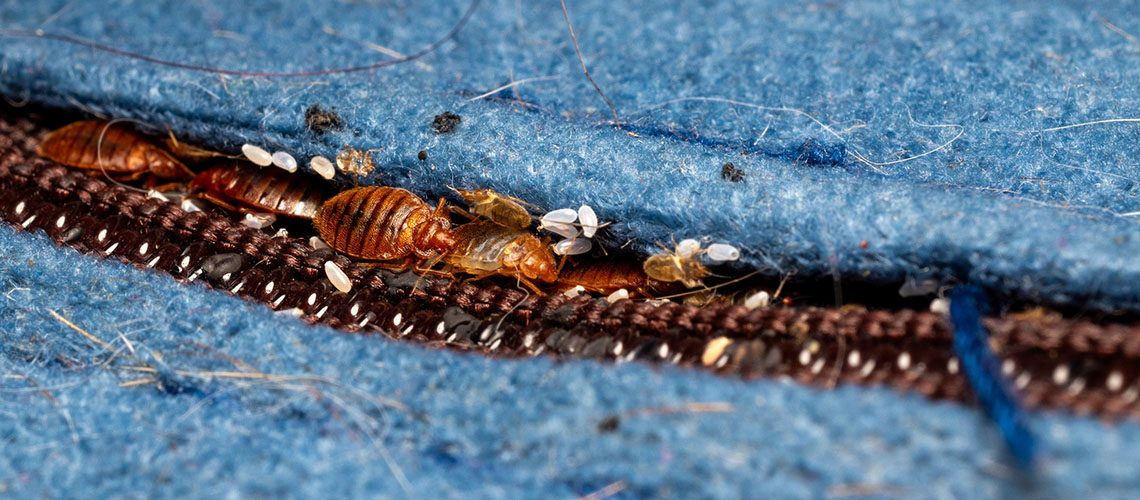
- Shed Skins (Exuviae): As bed bug nymphs grow, they pass through five nymphal stages, shedding their translucent, amber-coloured exoskeletons at each stage. Finding papery, hollow shell casings clustered in seams or behind headboards is definitive proof of an active breeding colony.
- Unhatched and Hatched Eggs: Bed bug eggs are tiny (roughly 1 mm long), pearly white, and barrel-shaped. Females lay them in sheltered crevices, cementing them in place in clusters.
What Does a Live Bed Bug Look Like?
If you manage to locate live insects during your inspection, look for these specific physical characteristics:
- Adults: Oval, flattened, wingless insects roughly 4 to 6 mm long (about the size of an apple seed). They are reddish-brown, possessing six legs and short antennae. After feeding, their bodies swell, elongate, and darken to a deep mahogany-red.
- Nymphs: Younger bed bugs range from 1 to 4 mm in size. When unfed, they are pale, translucent, or yellowish-white, making them remarkably difficult to spot with the naked eye until they have taken a blood meal.
Key Hiding Spots: Where to Inspect
Bed bugs rarely wander far from where their hosts sleep or rest for extended periods. When conducting a thorough room inspection, use a bright LED torch and a stiff plastic card (like an old gift card) to probe narrow gaps:
1. The Immediate Sleeping Zone
- Mattress Seams & Piping: Carefully peel back fitted sheets and run your plastic card along the perimeter seams, piping, tufts, and care labels.
- The Box Spring/Base: Turn the mattress over and inspect the underside of the bed base. Examine the stapled dust cover fabric on the bottom, corner plastic guards, and timber framing joints.
- The Headboard & Bed Frame: Check screw holes, bracket joints, timber slat recesses, and the space between the headboard and the wall.
2. The Surrounding Bedroom Perimeter
- Bedside Furniture: Inspect the joints of bedside tables, drawer glides, lampshade seams, and clock radios.
- Skirting Boards & Carpet Edges: Use your card to inspect beneath loose skirting boards and along carpet tack strips near the bed.
- Wall Fixtures: Check behind framed wall art, mirrors, loose wallpaper seams, and around electrical wall plates or switch sockets.
Sweet, Musty Odours
In moderate to severe infestations, bed bugs release distinct aggregation pheromones from their scent glands. This produces an unpleasant, sweet, sickly-musty odour often likened to rotting raspberries, damp coriander, or mouldy shoes. If you notice a persistent, strange sweet scent localised around a bed or wardrobe, investigate immediately.
What to Do If You Confirm Bed Bugs
If you find physical evidence of bed bugs, avoid moving bedding, furniture, or clothing into other rooms, as this rapidly spreads the infestation across your home.
Wash all affected bedding, linens, and clothing on the hottest allowable wash cycle (at least 60°C) followed by a minimum of 30 minutes in a high-heat tumble dryer, which effectively kills all life stages including eggs.
Because bed bugs possess remarkable resistance to standard consumer insect sprays and hide deep within structural voids, eradicating a colony completely requires professional heat treatments, steam extraction, and targeted commercial-grade applications. Contacting a qualified, licensed pest management professional at the first sign of activity will save you time, stress, and ongoing discomfort.
