
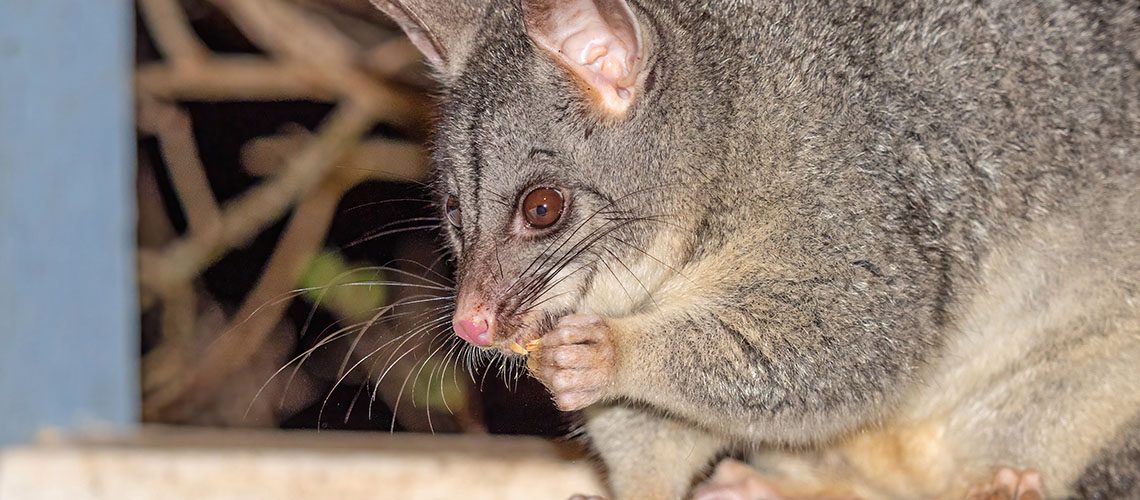
Hearing sudden thumping, rustling, and heavy footsteps across your ceiling at night is an experience many Australian homeowners know all too well. While native possums—specifically the common Brushtail and Ringtail—are iconic parts of our local environment, having them make themselves at home in your roof space or wall cavities can quickly lead to damaged insulation, stained ceilings, chewed wiring, and interrupted sleep.
Because all native possums are protected under Australian wildlife laws, the key to solving a possum problem is not removal or eradication, but prevention and exclusion. By making your property uninviting and reinforcing your home’s perimeter, you can stop these nocturnal neighbours from entering your living spaces in the first place.
Here is a practical, step-by-step guide to keeping possums out of your home safely and legally.
Block Arboreal Highway Routes to Your Roof
Possums are natural climbers that prefer staying well off the ground to navigate between feeding areas and sheltered dens. In suburban neighbourhoods, trees, power lines, and fence lines serve as direct bridges to your gutters and tiles.
- Prune Overhanging Branches: Cut back all tree limbs, palms, and creeping vines so that foliage remains at least two to three metres clear of your roofline, gutters, and fascia boards. This eliminates the easiest jumping platforms onto your house.
- Fit Tree Collars: If a tree close to your roofline cannot be pruned back, wrap a 60-centimetre-wide collar of smooth sheet metal or heavy-duty perspex around the trunk about 1.5 to 2 metres above ground level. This prevents possums from gripping the bark to climb up.
- Control Boundary Trellises: Avoid training dense creeping plants (such as ivy, wisteria, or bougainvillea) up external walls or along pergolas attached directly to your roof structure.
Seal Potential Entry Holes Across the Roof & Eaves
A full-grown Brushtail can squeeze through an opening the size of a tennis ball, while smaller Ringtails require even less room. Systematically inspecting and reinforcing your building envelope is vital.
- Inspect Loose or Broken Tiles: Check your roof for displaced tiles, cracked cement ridge-capping, or loose corrugated tin sheets. Possums have strong front claws and will readily lift loose tiles to gain access.
- Secure Eaves and Fascias: Inspect timber fascia boards and soffits for dry rot, weathering, or gaps where adjoining roof lines meet.
- Use Heavy-Duty Exclusion Materials: Never rely on expanding foam or soft plastic wire, as possums will quickly claw or chew through them. Use galvanised steel mesh (minimum 1.2 mm wire), solid timber battens, or sturdy sheet metal, fastening them tightly with exterior-grade screws.
- Cap Chimneys and Open Cowls: Possums often mistake chimney flues and large plumbing vent cowls for hollow tree trunks. Install stainless steel chimney cowl mesh caps to block entry down the hearth.
Remove Tempting Food Sources From Your Yard
Possums possess a sharp sense of smell and venture close to suburban houses when reliable food is within reach. Reducing outdoor attractions encourages them to forage elsewhere.
- Manage Fallen Fruit: Suburban fruit trees—including citrus, mangoes, figs, and stone fruits—are a magnet for foraging possums. Collect fallen fruit from the lawn daily, and consider netting backyard fruit trees with wildlife-safe mesh (mesh aperture under 5 mm).
- Never Leave Pet Food Outdoors: Dog and cat kibble left in outdoor bowls overnight is an easy, calorie-dense meal that attracts possums, rats, and other unwanted pests. Bring pet bowls inside before sunset.
- Secure Bins and Compost: Keep compost bins fully covered with tight-fitting lids, and ensure household rubbish and recycling bins are kept securely closed.
Install an Alternative Home: The Possum Box
Possums are fiercely territorial and stick to established home ranges. If a resident possum is searching for shelter, providing a dedicated outdoor nesting box keeps them satisfied outdoors and away from your ceiling.
- Choose the Right Location: Mount a purpose-built timber possum box in a large, mature tree on your property, positioned at least 4 metres above the ground.
- Face the Right Direction: Position the entrance hole facing away from prevailing winter rain and hot afternoon sun (generally facing east or northeast in Australia).
- Furnish the Interior: Add a handful of dry leaves or wood shavings inside to make it immediately welcoming.
Use Non-Harmful Natural Deterrents
Possums rely heavily on scent and darkness to feel secure. Introducing natural deterrents around known climbing routes can make your roof cavity unattractive before they decide to settle in.
- Aromatic Repellents: Possums dislike strong, pungent scents. Commercial natural repellent sprays containing quassia bark, garlic extracts, or fish oil can be sprayed along fence railings and gutter edges to discourage transit.
- Motion-Activated Lighting: Possums are nocturnal and shy away from sudden bursts of light. Installing motion-activated sensor lights near perimeter paths or pergola rafters disrupts their travel habits and encourages them to find a quieter path.
Need Long-Term Exclusion?
The most effective possum protection is proactive proofing. By sealing roof perimeters, trimming back branches, and setting up an outdoor nesting box, you protect your ceiling cavities while allowing local native wildlife to thrive naturally outside.
If you suspect a possum is already living inside your roof void, ensure it has vacated at night before sealing any access points, or engage a licensed wildlife control professional to install a temporary one-way exclusion flap so the animal can exit safely without being trapped inside.
