
Hearing heavy thumping, scurrying, or vocal screeches across your ceiling at 2:00 AM is a familiar experience for many Australian homeowners. Common Brushtail and Ringtail possums have adapted remarkably well to suburban environments, frequently swapping hollow eucalyptus branches for the warm, dry shelter of domestic roof voids.
While living alongside native wildlife is part of the Australian lifestyle, having possums take up residence inside your ceiling creates genuine headaches: stained plasterboards, lingering territorial scents, chewed wiring, and broken sleep.
Crucially, all native possums are strictly protected under Australian state and territory wildlife legislation. It is illegal to harm, kill, or relocate a possum more than 25 to 50 metres from its capture point (depending on your state), as relocated possums face almost certain mortality in unfamiliar territory.
Humane possum management is not about harming the animal—it is about encouraging them out naturally, sealing their entry points, and providing alternative outdoor shelter.
Here is how to safely and legally manage possums around your home.
Confirm You Are Dealing with a Possum
Before taking action, ensure your uninvited guest is indeed a possum rather than rats or mice:
- Sound Profile: Possums are heavy-footed. Their movement sounds like slow, deliberate thumping or bounding across plasterboards, accompanied by guttural hisses or coughing grunts. Rats produce lighter scurrying and scratching sounds inside wall cavities.
- Activity Windows: Possums are strictly nocturnal marsupials, typically leaving the roof space just after dusk to forage and returning in the early hours before sunrise.
- Droppings: Possum droppings are dark, cylindrical pellets roughly 15 to 20 mm in length—significantly larger than rice-grain-sized rodent droppings.
Install an Alternative Home: The Possum Box
Possums are territorial creatures. If you evict a possum from your roof cavity without providing an alternative nesting site, it will vigorously attempt to claw or chew its way back inside.
- Set Up a Nest Box First: Install a purpose-built possum nesting box in a mature tree on your property at least 4 metres above the ground, facing away from prevailing rain and hot afternoon sun.
- Make It Enticing: Place a handful of dry leaves or clean nesting material inside, along with a slice of fresh apple or a wedge of banana, to encourage immediate inspection and adoption.
Locate and Prepare the Entry Point
Possums can squeeze through remarkably small openings—any broken tile, warped timber fascia, or gap larger than a tennis ball provides easy access:
- Observe at Dusk: Stand outside at sunset and watch your roofline. Possums leave their sleeping quarters shortly after dark to feed in nearby canopies. Note the exact tile, eave gap, or valley junction they emerge from.
- Inspect the Perimeter: Check where tree limbs overhang the roofline. Possums use branches as natural bridges straight to your gutters and eaves.
Encourage Voluntary Vacation (Humane Eviction)
Once you know where the possum enters and exits, make your ceiling cavity as uninviting as possible:
- Use Light and Scent Deterrents: Possums despise bright light and strong natural aromatics. Safely place a portable work light inside the ceiling cavity for several days, along with rags soaked in household cloudy ammonia, camphor blocks, or quassia bark chips (available from natural pest supply stores). The scent and light disrupt their sleeping patterns and encourage them to move into the outdoor nest box.
- Install a Temporary One-Way Exit Flap: Over the identified entry gap, attach a temporary mesh one-way flap. This allows the possum to push out at night to forage, but prevents it from re-entering before sunrise.
Seal Up Thoroughly & Prune Surrounding Canopies
Once you have verified that the ceiling space is completely empty (never seal a hole during the day, as you risk trapping an animal or dependent young inside):
- Seal Gaps with Heavy-Duty Materials: Possums possess strong claws and jaw muscles. Seal gaps using galvanised wire mesh, timber battens, or sturdy aluminium sheeting fastened securely with exterior screws. Standard expanding foam alone is not sufficient.
- Prune Overhanging Trees: Trim back tree canopies, creepers, and palms so that branches remain at least 2 to 3 metres away from your gutters and roof tiles.
- Collars on Trunk Lines: If possums are using individual trees or pergola posts as ladders to access your roof, wrap a 60 cm wide band of smooth clear plastic or sheet metal around the trunk roughly 1.5 to 2 metres off the ground to prevent them from gripping and climbing.
When to Call a Licensed Wildlife Professional
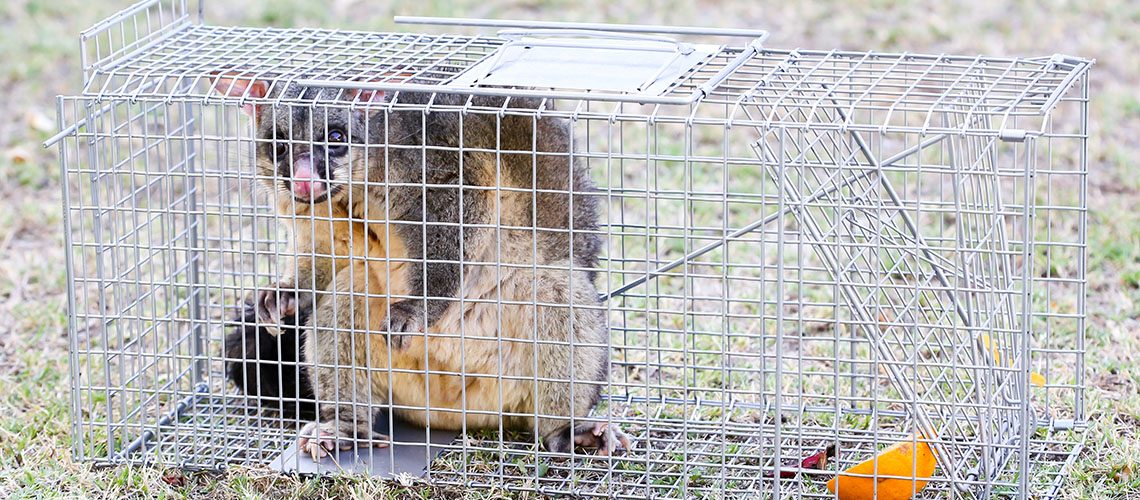
If a possum is trapped, injured, or persistent despite your best deterrent efforts, contact a licensed possum catcher or a local wildlife rescue organisation (such as WIRES or Wildlife Victoria). Licensed operators can legally trap the possum in an approved cage, ensure the roof void is professionally sealed, and release the animal on your property right outside the new nesting box after dark.
